CREATOR STORIES: Somna
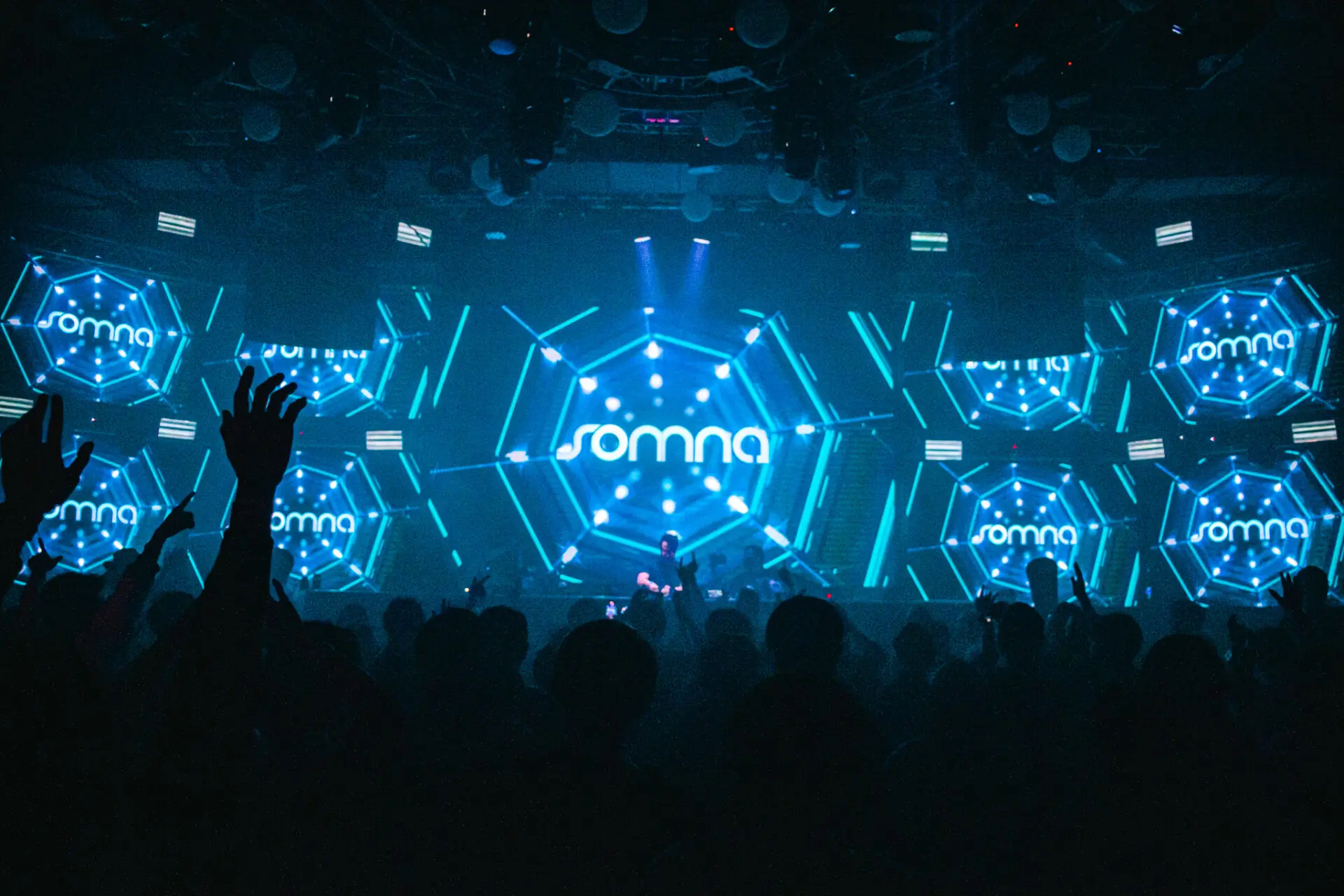
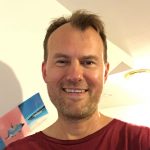
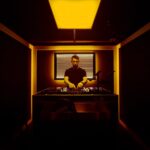
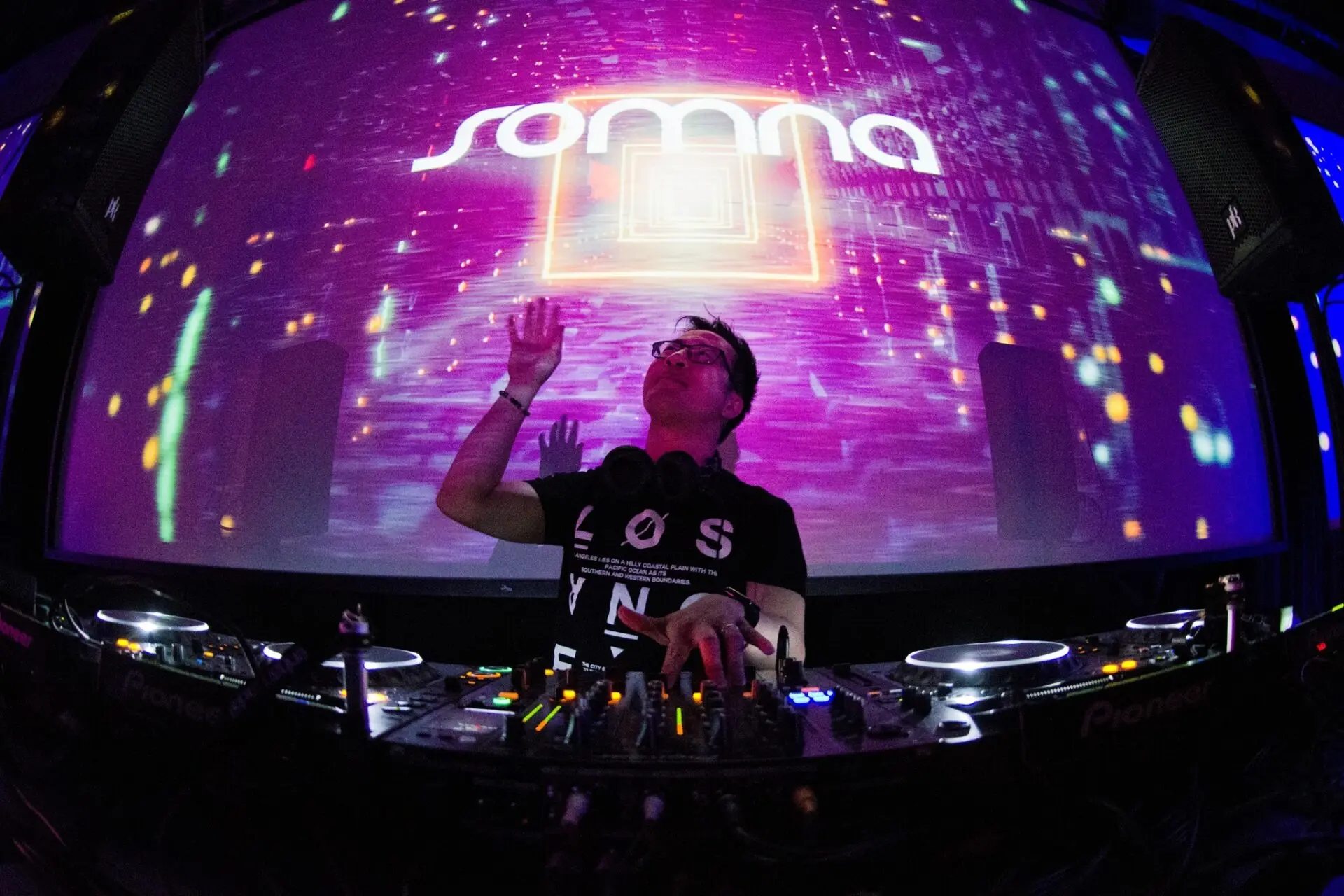
The co-founder of AVA Recordings, one of the world’s most recognized names in trance and dance, Benjamin Leung (AKA “Somna”), is also an accomplished DJ & Producer in his own right.
As Canada’s leading Trance artist, Somna took the #45 spot in the DJTOP100 (TrancePodium 2019) making him the highest Canadian within the top 100. His music can be found on the biggest trance labels in the world including Armada Music, Enhanced Music, Coldharbour Recordings, Garuda Music, Future Sound Of Egypt, AVA Recordings, Black Hole Recordings and Perfecto.
One of few trance artists bypassing 200,000 monthly listeners on Spotify, Somna’s music regularly finds itself on the playlists of Armin Van Buuren, Above & Beyond, Markus Schulz, Ferry Corsten, Gareth Emery, Cosmic Gate and more.
Reaching beyond his talents of songwriting, Somna is also a highly sought-after remixer, having remixed for the likes of Markus Schulz, BT, Paul Oakenfold, Andy Moor, Menno de Jong and Lange.
 |
 |
Hi Ben! Thank you so much for taking the time today for this interview. First off, tell us about yourself, and your background in music.
Thanks for having me! Hmm how do I start, Hi my name is Somna (real name Ben), I started producing music in 2003 under the alias “Rodi Style” making UK Hard House / hard dance and was one of the residents at the UK label Tidy Trax. I began the Somna project in 2011 when I moved from the UK back to Canada. As a youngling, I played violin (very typical Asian household “you’re going to play violin or piano”) and also guitar, trombone and a bit of drumming. I remember quitting violin and my parents telling me I’d regret it and I was like “nuh uh”…. Well my parents were right haha.
Thanks for having me! Hmm how do I start, Hi my name is Somna (real name Ben), I started producing music in 2003 under the alias “Rodi Style” making UK Hard House / hard dance and was one of the residents at the UK label Tidy Trax. I began the Somna project in 2011 when I moved from the UK back to Canada. As a youngling, I played violin (very typical Asian household “you’re going to play violin or piano”) and also guitar, trombone and a bit of drumming. I remember quitting violin and my parents telling me I’d regret it and I was like “nuh uh”…. Well my parents were right haha.

You are the co-owner of the esteemed label AVA Recordings (joining founder Andy Moore as partner and co-owner in 2014). Tell us about how you met Andy and how the co-ownership of AVA came about!
It’s so random tbh, I signed a song to AVA and told Andy that I would love to be involved, even at the lowest level just to be helpful. Then Andy came to Vancouver for a show and I picked him up from the airport and one of the first things he asked me was if I knew how to do design and then followed by whether or not I wanted to be a 50/50 partner in the label. Completely out of the blue and unexpected and I’m so grateful Andy saw something in me and gave me this opportunity. I haven’t burned the label to the ground yet so I’d like to think that he made a good decision haha!
How would you say AVA Recordings has progressed over the years and what do you think the label best represents?
I am so incredibly proud of our team and artists who release on the label. We represent some of the best artists (I’m biased of course) and we’ve had the privilege of signing some amazing music from artists around the world. I’m grateful for their trust and we’ve seen AVA release over 1000 tracks now and are celebrating 20 years of the label with 20 AVA Night events around the world.
I think our label best represents: sustainable music. Music we feel will stand the test of time and is written with soul. My hope is that the music we sign will continue to be forward thinking, written with passion and isn’t simply just following trends.
What is the meaning behind the label name, “AVA Recordings?”
AVA is the first name of Andy’s eldest daughter so it’s named after her!
We recently learned that AVA was actually a sub-label of Armada Music, and then later (up til the present?), Black Hole Recordings. Can you tell us: how does that arrangement work exactly? And how much autonomy do you have as far as which artists and kind of music you decide to release? How about promotion of your releases – do you guys do that on your own as AVA Recordings, does Black Hole do that for you, or is it maybe a mix of both?
That’s true! Actually AVA has always been an independent label but we’ve worked with different distributors and partners in the past (such as Armada Music). In consideration of that, we have full control over who/what we sign and release as well as our direction. We receive amazing support from Black Hole Recordings (our current distributor and partner) who provide all kinds of backend support and additional promotion.
For social media we handle that in house, we have a wonderfully distinguished team member (Ishuka) who keeps our social media up to date and is always on hand to remind me of items I need to be aware of / have to take care of.
What kind of things do you look for when choosing a new artist or release for the label?
We mainly sign singles from artists although we have a couple resident artists. We’re very open minded with music and honestly are just looking for music we vibe with!
What are some ways you help promote artists who release on AVA?
For our regulars / residents, we try to get them on our AVA Night shows wherever possible (and within our power). On the music side, we are very approachable and happy to give feedback and advice when its sought after.
AVA Recordings is currently on its 20-Year Anniversary Tour, with recent stops in Asia in Singapore and Taipei. How were those shows, and where is next on the tour??
They were so much fun! Two cities we’ve never been to and I’ve never been to and it was amazing to meet people who follow my music and the label’s. Binkun opened up the Taipei show with a whole bunch of AVA classics that I haven’t heard in YEARS and that was such a surreal moment for me.
You’re from Vancouver, right? Would you say there are any particular differences in “club culture” between Canada, the US, Europe, Asia, or other places you have played around the world?
Indeed I am residing in Vancouver currently! I think there’s definitely preferences with music styles between North America, Europe and Asia. My observations are that in North America, people are into a variety of trance and bass music is very popular out here. In Europe for trance, the preference appears to be 138bpm and faster and then in Asia they really want even more high energy stuff (although bass music is also growing exponentially).
Differences between producing music for a dance floor crowd vs. for the listener at home in headphones?
For “club bangers” or “club edits” for the purpose of playing live, I’ll make sure that the breakdown isn’t too long and the energy keeps flowing, for listening at home, there’s more time to craft a journey or slowly introduce elements to create a story.
Now let’s talk about your experience as a DJ/Producer. First of all, how and why did you choose “Somna” for your artist name?
I was having a conversation with a friend about DJ names and at that time I played a lot of Call Of Duty zombie mode and someone said “Somna” was a kind of zombie and I was sold. Turns out “Somna” also means “to fall asleep” in Swedish which made a lot of sense to me since I was making trance. Obviously I don’t want people to fall asleep to my music but it felt very fitting!
How would you best characterize your sound as a producer?
I’d say the Somna sound is quite varied but 90% of the time it involves evoking emotions and feelings while retaining a tough edge whether it is a big drop or aggressive basslines. I want that beauty but still be able to give high energy in a club.
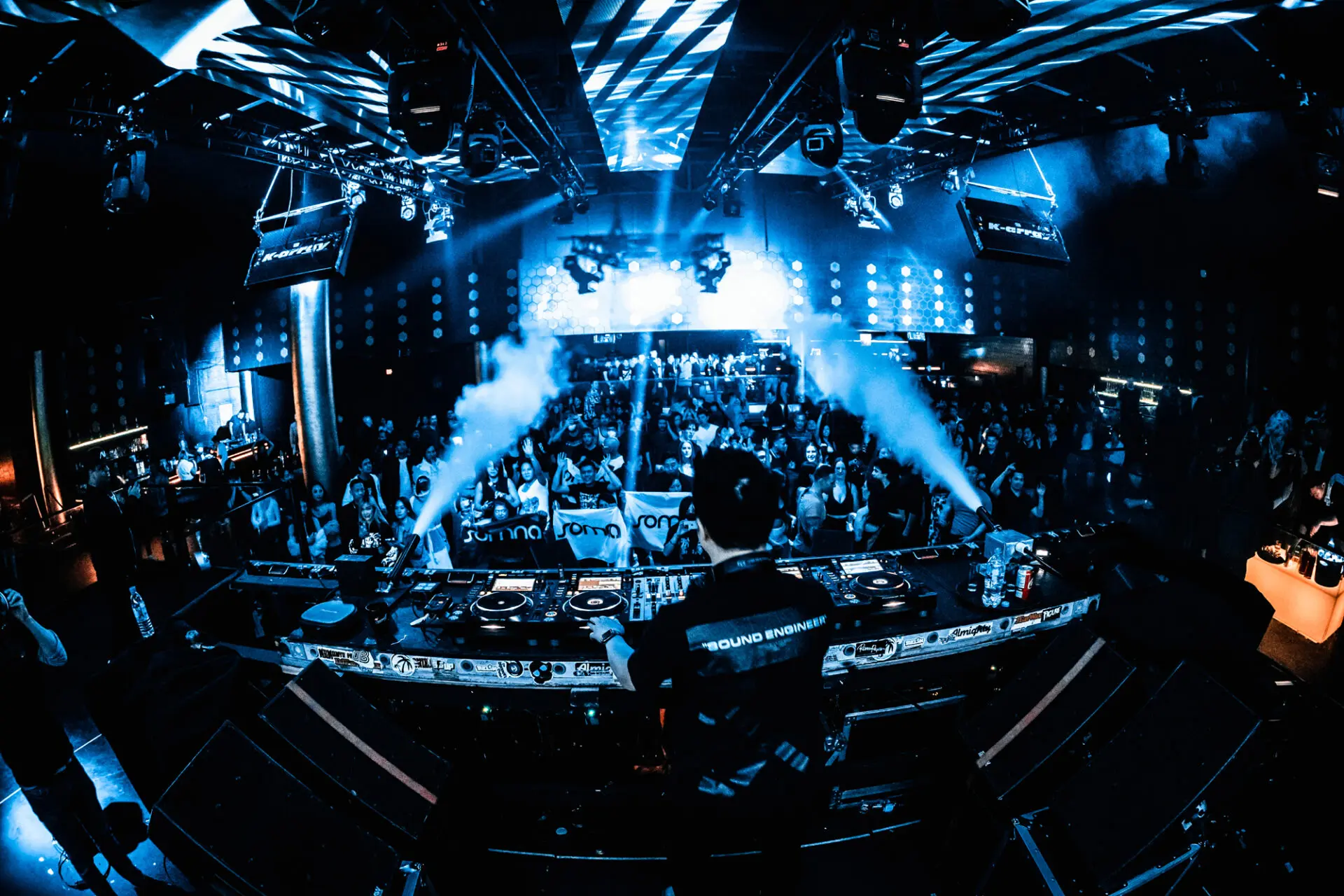
When you play out live as a DJ, how do you go about putting together your sets?
There’s a couple ways I go about it, it depends on the show. If it’s a headline show or festival, I’ll prepare my set list complete with transitions that I’ll set cue points to remind myself when to hit them, I think this is important because I need to craft a set that maintains peak momentum with minimal parts that drag. If I’m playing a more supportive role, then I’ll prepare a playlist of songs that I think would fit the timeslot and purpose and wing it and read the crowd to see what they like. This also applies for long sets (over 2 hours).
Back in the day it was just full on winging it but I think times have changed a lot and people’s attention spans are so short that there isn’t time for super smooth long 2 minute blends.
Of course we have to talk about TRANCE. Why do think trance has been so popular over the years?
At its core, Trance is all about melodies and feelings and I think fundamentally music’s purpose is to make us feel something. While I’d argue that Trance isn’t as popular as it was years ago, I think it’ll always stand the test of time because our hearts yearn for melodies. At least mine does haha.
What about genre / the popularity of “trance/dance” / “tech trance,” “progressive trance,” etc??
I love variety and I am absolutely all for trance drawing influences from other genres and producers thinking outside of the box when they write. If I go to a trance event, I would like to hear variety rather than 8 hours of the same BPM.
Any last things you’d like to say to our audience?
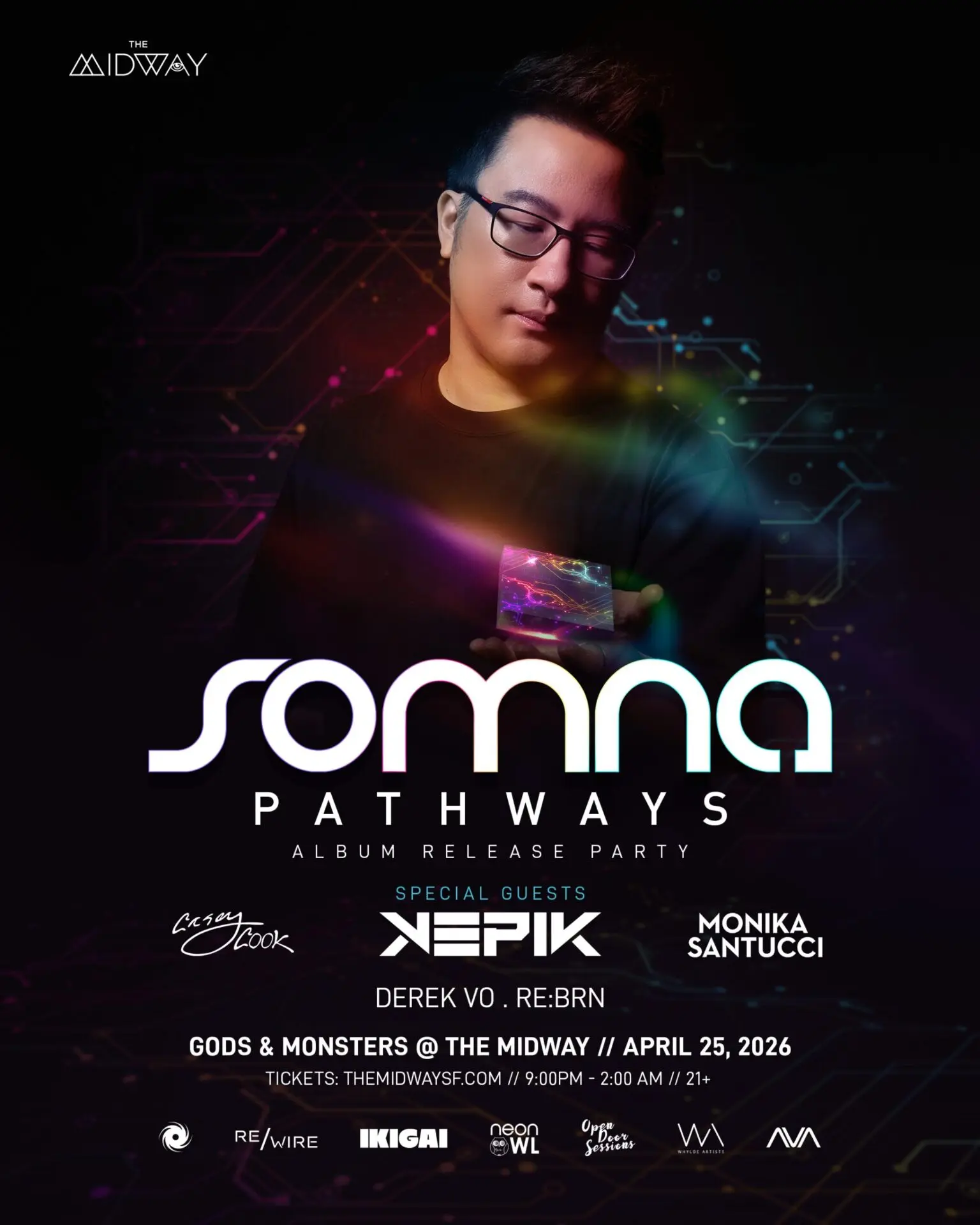
The 3rd EP before my full album is arriving on May 1st on IKIGAI Records! I’m so excited about it and I’ll also be celebrating my album release on April 25th in San Francisco at The Midway SF (God’s & Monsters Room). It’s going to be a super special night with special guests Kepik, Rinaly and vocalists Casey Cook, Monica Santucci and Midi Kittyy! Also some amazing support from Derek Vo and RE:BRN. I hope you can all make it, my team and I have worked so hard to put this together ourselves!
Tickets: https://www.tixr.com/e/176309
FOLLOW SOMNA
Website
Instagram
SoundCloud
YouTube
Facebook
Songkick
Spotify